Table Of Content
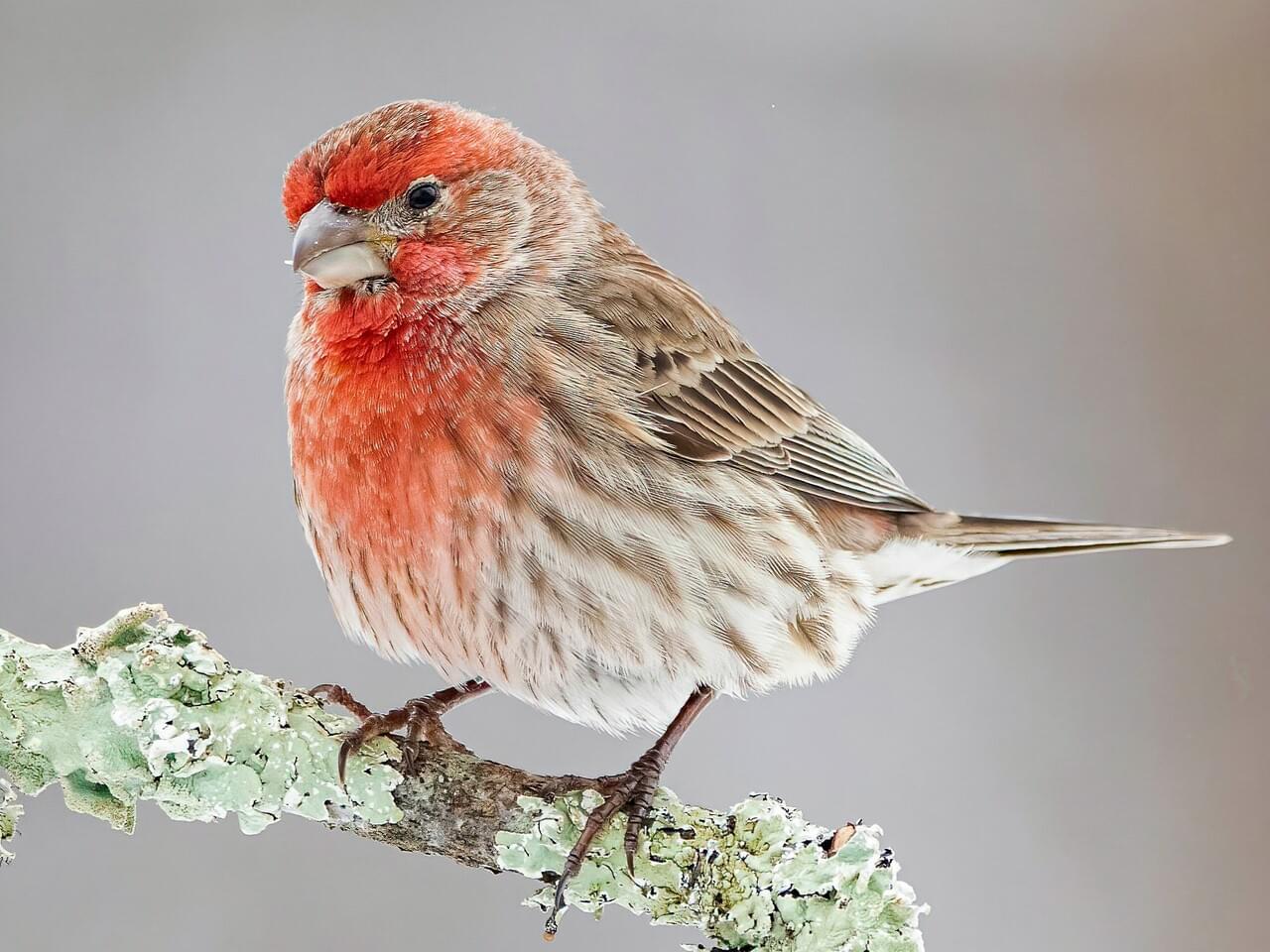
If they have previous nest sites, they are likely to reuse one of them. There are many questions you might have about house finches and where they like to nest. The female of this species usually nests in a sheltered spot like a porch light fixture hanging plant or tree. Their nests usually look like open cups and they have two to six blue-white eggs.
Birds 6 through 10
Many of their nest sites are in human-made structures or near areas with human activity. The most important site characteristics are protection from above and a solid base to build on. “American goldfinches are much later nesters than just about anything else you have in your yard,” LeBaron said. This is because as seedeaters, the birds wait for thistles to produce seed before building nests and feeding their young. House Finches like bird houses mounted just out of reach on a post in the middle of a yard clear of trees or buildings. – House finches measure 5-6 inches in length and have chunky, conical beaks adapted for eating seeds.
Finches: Mating Habits, Nesting & Eggs
The change in plumage from drab olive in the winter to bright yellow in the summer is a sight to see. The molting cycle repeats in the fall, when their golden feathers are replaced with new grayish ones. Immigrants to North America, house sparrows are thought to have spread across the U.S. with the help of freight trains. USA TODAY determined the rankings by adding the number of times each bird was listed as most-sighted for each state, each month. For example, over six seasons, the house sparrow was listed as top bird 76 times.
House Finch Nesting Preferences

They prefer edge habitat and are absent from dense coniferous forests. They are not “obligate” cavity nesters like bluebirds, and rarely use a nestbox. There have been a few documented cases (see Nestboxes below). Next, learn how to attract and identify purple finches.
While house finches are adaptable and may occasionally use these, they do not provide the ideal cavity specifications to regularly attract nesting. Traditional enclosed bird boxes with hole entries remain the best style to use. 3.) House Finches can look very different depending on where they live. The birds come in 11 officially recognized subspecies. Body and bill size, shape, wing length, tail length, and coloring can all vary regionally.
Providing an abundance of properly designed nest boxes helps minimize competition. The House Finch is closely related to the Cassin's Finch and the Purple Finch, and in fact, there are places in Washington where all three species can be found. All three species are streaked, and the males of all three have red plumage.
Breast and belly feathers may be streaked; the flanks usually are. In most cases, adult males' heads, necks and shoulders are reddish.[3][4] This color sometimes extends to the belly and down the back, between the wings. Adult females have brown upperparts and streaked underparts. 1.) Once limited to the Western United States and Mexico, House Finches are now found from coast to coast, and as far north as southern Canada. In 1939 a few of the birds, originally captured in Santa Barbara, California, were set free on New York’s Long Island by a pet store owner.
House finch bird vocalization
Their nests are typically open-cup shaped and the females lay between two and six blue-white speckled eggs. The eggs hatch after 12 to 16 days and the chicks fledge between 11 and 19 days. This competition is most direct with other songbirds like bluebirds and wrens that favor the same style entrance holes and cavity depth. The broader habitat preferences of house finches gives them an advantage over species with narrower requirements. House finches may displace competitors in some regions, while otherwise coexisting depending on local habitat conditions.
Females collect various plant matter, twine, string, and hair, carry it back to the nest site, and begin building. You can help these delightful backyard birds not only by supplying them with food but with safe aviary environments to live in. Nest boxes and birdhouses for House Finches are incredibly affordable and a great way to keep hatchlings safe from hungry predators. So while designed with other birds in mind, a wide range of birdhouse designs are readily used by house finches.
House Finch or Purple Finch? Here's How to Tell Them Apart - National Audubon Society
House Finch or Purple Finch? Here's How to Tell Them Apart.
Posted: Wed, 28 Dec 2016 08:00:00 GMT [source]
Finches make excellent pets if you select one from a knowledgeable breeder. They can cost anywhere between 10 to 100 dollars, and love the company of other birds. The board said it is "urgently working" with Shafik to resolve the unrest on campus and "rebuild the bonds of our community."
They prefer the higher branches of deciduous or coniferous trees but also make nests in planter boxes, street lamps, or on the edges of buildings. The breeding season of House Finches starts in March and lasts into August. Female finches build their nests in the springtime, but courtship often starts in the winter. Beyond eating bugs or invasive plant seeds, backyard birds provide people with joy and wonder, said Geoff LeBaron, Christmas Bird Count director for National Audubon Science. Design nest boxes with clear and easy access to their interior.
The cup is usually well constructed of plant fiber (grasses, forbs, rootlets) lined with finer material. The clutch size is 3-6, usually 5 eggs, which are incubated by the female for days (Oberholser 1974, Harrison 1979). Young birds leave the nest days after hatching (Kaufman 1996).
In the West, the birds are usually found in natural habitats, including deserts, savannah, streamsides, and open coniferous forests. However, some populations have undergone a steep decline since January 1994, owing to a disease called mycoplasmal conjunctivitis. The disease causes respiratory problems and red, swollen eyes, making them susceptible to predators and adverse weather. House Finch conjunctivitis was first observed at feeders in the Washington, D.C.
The female lays 2 to 6 bluish eggs that are finely speckling. Incubation is done by the female and the eggs will hatch in 12 to 14 days. The female has a uniformly brown-streaked head with broad brown streaking on the breast and belly. Initially, the House Finch was a bird of the west, but because of its rosy breast and very melodic song, people wanted to own one.
The most popular areas for house finches include the eastern U.S. Their breeding population is estimated to be 40 million according to the North American Breeding Bird Survey. However this species is only recently arriving in the Eastern United States after being accidentally released from illegal pet shops in New York in the 1940s. From there they spread to the Great Plains where they met their western cousins. House Finches generally forage in flocks and come to feeders for sunflower seeds sugar water and hummingbird food. They often nest in plant boxes hanging planters or roof overhangs.


No comments:
Post a Comment